
Climathon
Circular Economy and Green Mobility Solutions for Sustainable Urban Environments
30/10-01/11
How can we make cities more sustainable, convenient, and ready for the challenges of the future? 🌍 This year, Climathon invites participants to come together and develop creative, comprehensive solutions for a more sustainable urban environment, with a particular focus on mobility and sustainability. The event is organized in collaboration with the European Institute of Innovation and Technology (EIT) Knowledge and Innovation Communities Climate KIC and EIT Urban Mobility. Over three days, participants will work in teams on real-world challenges, develop ideas, and explore innovative solutions that could help shape a more sustainable urban environment. But that’s not all — Climathon will be the final stage of the “Pathfinder”, where the best team to make it through all three hackathons will win TechChill tickets. Are you ready for the final stage — and an evening where useful meets fun and dances? 👀



What is Climathon?
Climathon is an annual international initiative launched by EIT Climate-KIC, taking place in more than 65 countries worldwide. Climathon hackathons are organized around a variety of themes, but their core mission is to develop innovative solutions that help mitigate the impacts of climate change by addressing the specific needs of cities and local communities.
This year’s hackathon focuses on two key challenge areas: the circular economy and green mobility. Together with our partners, we invite participants to develop new ideas and practical solutions that can reduce cities’ environmental footprint while improving quality of life.
Join us and create innovative solutions that will help build more sustainable, resilient, and efficient cities for the future.

Why Participate?

Funding Opportunities for Further Development
The teams behind the best ideas will compete for prizes to help transform their concepts into real-world solutions and bring them to life.

Expert Guidance and Valuable Networking
Participants will have the opportunity to work alongside experienced experts and mentors from a wide range of industries, gaining valuable insights, practical knowledge, and access to an extensive professional network.

A Platform to Grow Your Idea and Build Partnerships
Climathon provides more than just practical support for developing your idea—it also creates opportunities to establish new collaborations and partnerships that can drive your solution forward beyond the hackathon.

Make a Meaningful Impact on Latvia’s Sustainable Future
By participating in Climathon, you will have the chance to develop innovative solutions that contribute directly to Latvia’s long-term sustainable development and help shape a greener future.
How to apply?
As a Team
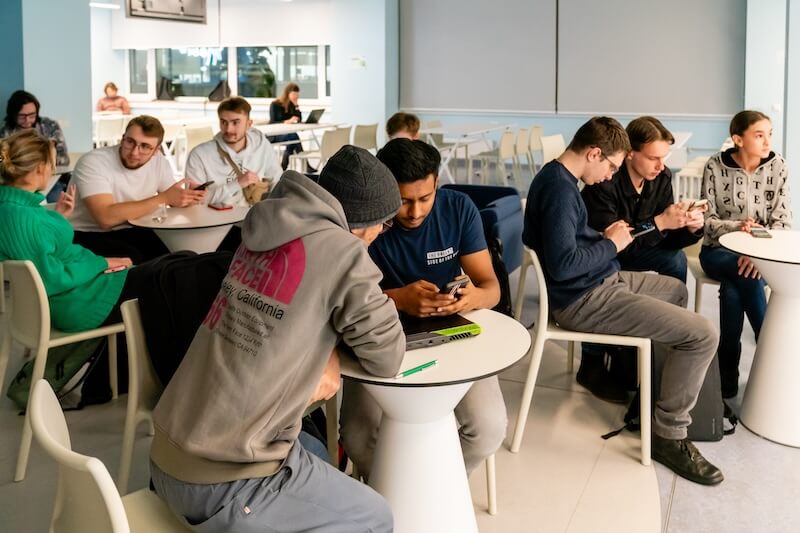
Applications are welcome from both fully formed teams (up to 6 members per team) and partially formed teams. If your team is not yet complete, you can indicate what type of teammate—with specific skills, knowledge, or experience—you are looking for to strengthen your team.
Individual
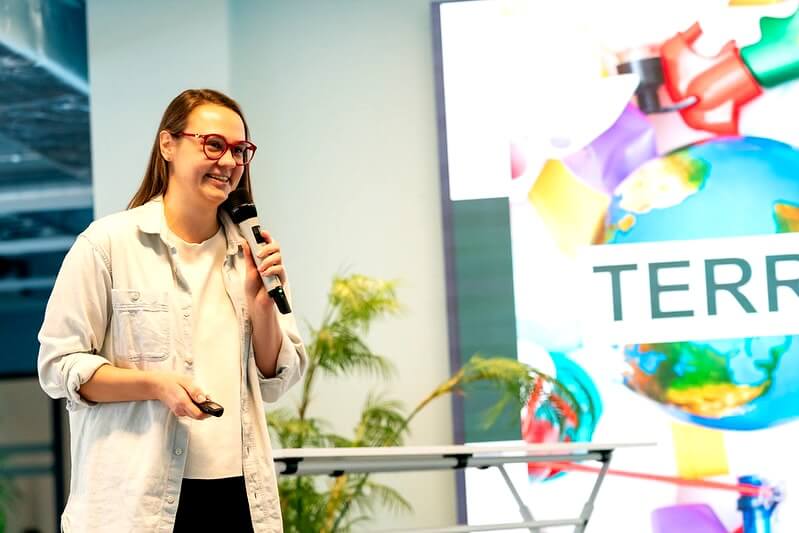
Apply to the hackathon as an individual by highlighting your specific knowledge, skills, and experience. We’ll help you find like-minded teammates and form a team to collaborate on developing innovative solutions together..

Last Year’s Challenges
Circular Economy Track
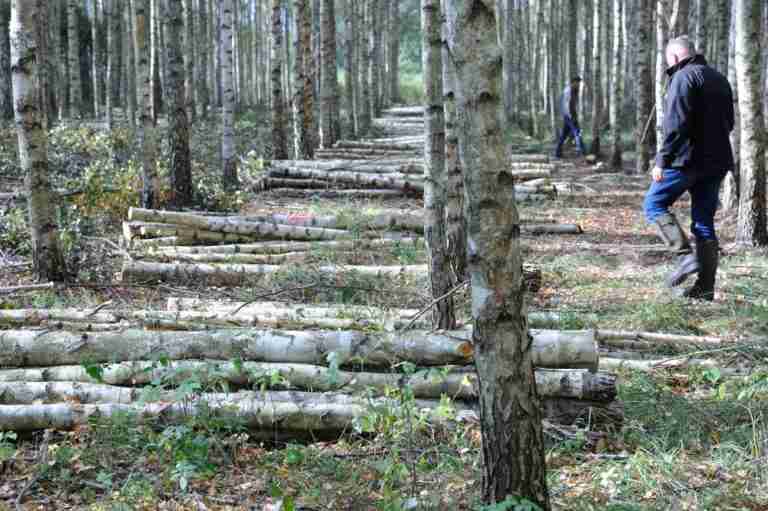
New Applications for Sediment from Birch Log Hydrothermal Treatment
At the initial stage of birch plywood production, birch logs undergo hydrothermal treatment by soaking in water ba…
At the initial stage of birch plywood production, birch logs undergo hydrothermal treatment by soaking in water basins. The water temperature is maintained at approximately 50°C, and no chemicals or additives are used. The water is replaced only once a year during basin cleaning.
Over time, sediment accumulates in the basins as a result of the soaking process. This sediment consists primarily of birch bark, with possible traces of sand. During the annual cleaning process, the water is separated from the sediment, leaving behind a wet mass commonly referred to as basin sludge. At present, this material has no practical application.
Objective
Develop innovative solutions or potential application pathways for the reuse and valorization of sediment (sludge) generated during the hydrothermal treatment of birch logs.
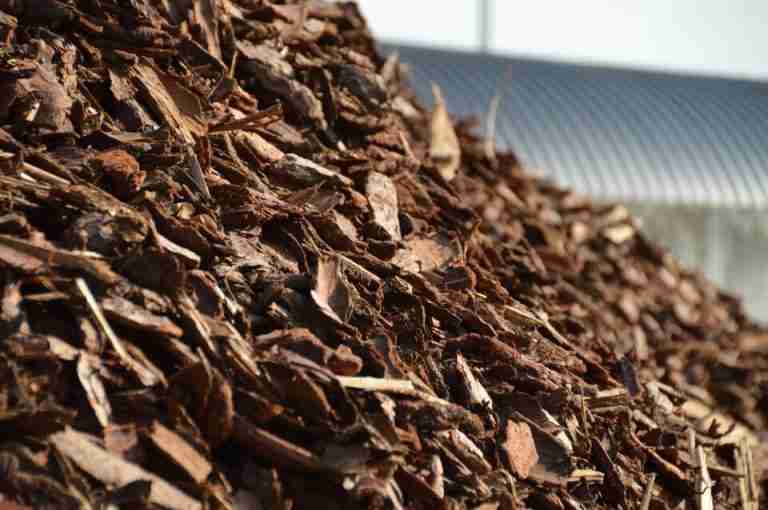
Management of Low-Quality Bark
One of the key challenges in Stora Enso’s production process is the management of One of the key challenges in Stora Enso’s production process is the management of low-quality bark. This by-product is generated when logs are unloaded, transferred to the sorting line, and prepared for further processing. The material mainly consists of pine and spruce bark, but it also contains sand, sawdust, and wood debris of various sizes. As a result, the material is highly heterogeneous and has a high moisture content, making it difficult to process. Although this biomass contains potentially valuable components such as lignin and cellulose, contamination and its physical and chemical properties significantly limit its reuse without additional treatment. Currently, low-quality bark is primarily treated as waste, resulting in disposal and transportation costs for the company. Approximately 15,000–20,000 m³ of this material is generated each year. With increasingly stringent environmental regulations and the growing importance of circular economy principles, this approach is becoming both economically inefficient and environmentally unsustainable. Objective Develop technologically and economically viable solutions for processing and reusing low-quality bark while maximizing resource recovery and minimizing environmental impact. Solutions should follow circular economy principles, for example by:
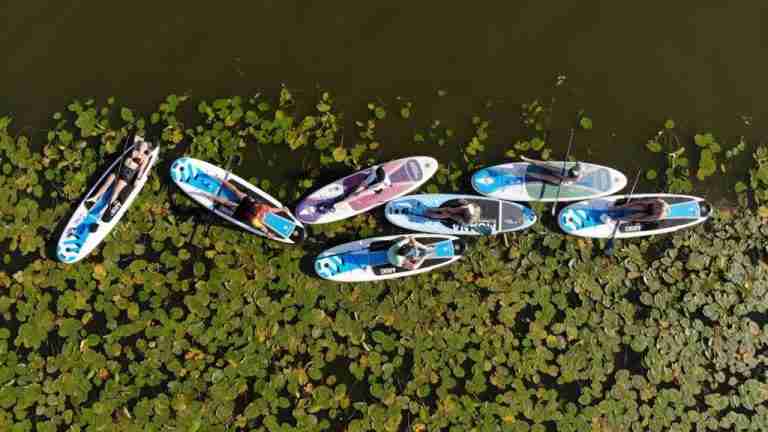
A Sustainable System for Collecting, Recycling, and Reusing Damaged SUP and Kayak Paddles
SUP and kayak paddles are among the most frequently damaged pieces of watersports equipment. In lower-cost produ…
SUP and kayak paddles are among the most frequently damaged pieces of watersports equipment. In lower-cost product ranges, 45–60% of paddles fail during their first season.
These paddles are made from aluminum tubes, plastic components, and complex adjustment mechanisms, making repairs both expensive and difficult. As a result, most damaged paddles end up as waste, despite being made from valuable, recyclable materials.
Latvia currently lacks an effective system for collecting, repairing, or recycling watersports equipment, and more than 70% of sports equipment in Europe is not recycled due to insufficient recycling infrastructure. At the same time, the watersports market continues to grow by 8–10% annually, increasing the volume of end-of-life equipment.
This presents an opportunity to develop Latvia’s first circular economy pilot project for the watersports industry, contributing to both environmental sustainability and industry innovation.
Objective
Design a sustainable, practical, and economically viable system for collecting, repairing, recycling, and reusing damaged SUP and kayak paddles.
The proposed solution should reduce waste, increase material recovery, and create new value chains that could potentially be implemented by Boards You.
Possible Solution Directions
- Collection and logistics: Deposit-return or exchange points, partnerships with retailers and rental providers for collecting damaged paddles.
- Repair and extended product lifespan: Universal spare parts, simplified adjustment mechanisms, and repair services.
- Recycling and material recovery: Separation of aluminum and plastic components, material recycling, and conversion into new raw materials.
- New product development: Design products, sports accessories, or modular paddles made from recycled materials.
- Business models: Subscription services, insurance solutions, rental schemes, second-life product lines, and partnerships with municipalities and industry stakeholders.
Green Mobility Track
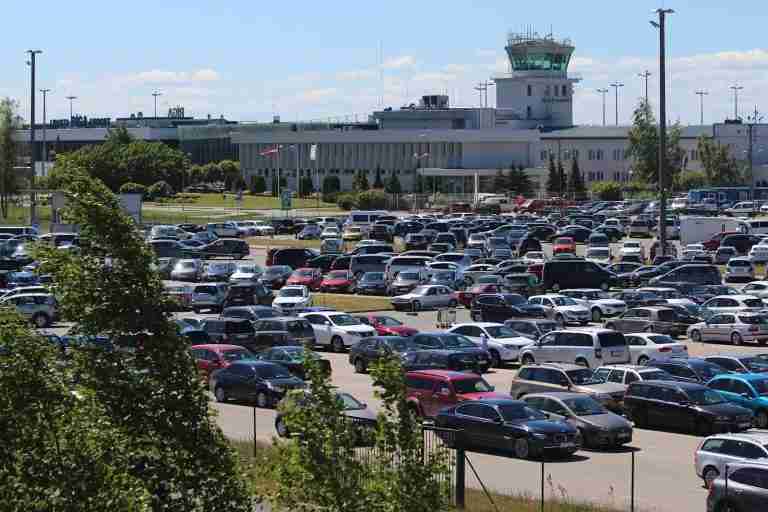
Smart Mobility for Airport Employees
The number of employees working at Riga Airport and within the ai…
The number of employees working at Riga Airport and within the airport business park has steadily increased in recent years. Most employees commute by private car, contributing to higher CO₂ emissions, increased traffic congestion, and poorer air quality. These issues are expected to intensify as major construction projects are carried out across the airport in the coming years.
Most employee vehicles are parked in the airport’s parking facilities, placing significant pressure on parking capacity. To meet growing demand, Riga Airport continues to invest heavily in expanding its parking infrastructure.
However, there is currently no comprehensive set of solutions that effectively encourages employees to switch to more sustainable modes of transportation while also reducing costs for the airport.
A carpooling app introduced several years ago failed to achieve sufficient user adoption. More recently, electric vehicle charging stations have been installed in employee parking areas, and bicycle parking capacity has been expanded. Despite these improvements, private car usage remains high.
Objective
Develop a system and supporting initiatives that encourage employees to adopt more sustainable mobility options, reducing private car use, lowering emissions within the airport area, and decreasing the need for investment in additional parking infrastructure.
Possible Solution Directions
- A gamified platform with reward points for sustainable commuting.
- A cost-effective employee incentive program that balances financial investment with measurable benefits.
- Creative and engaging internal communication campaigns.
- An integrated mobility app featuring route planning, CO₂ savings tracking, and carpool coordination with companies operating within the airport.
- Partnerships with micromobility providers and other businesses located at the airport.
- Innovative technology-based mobility solutions.
Promoting Cycling Among Students and Staff
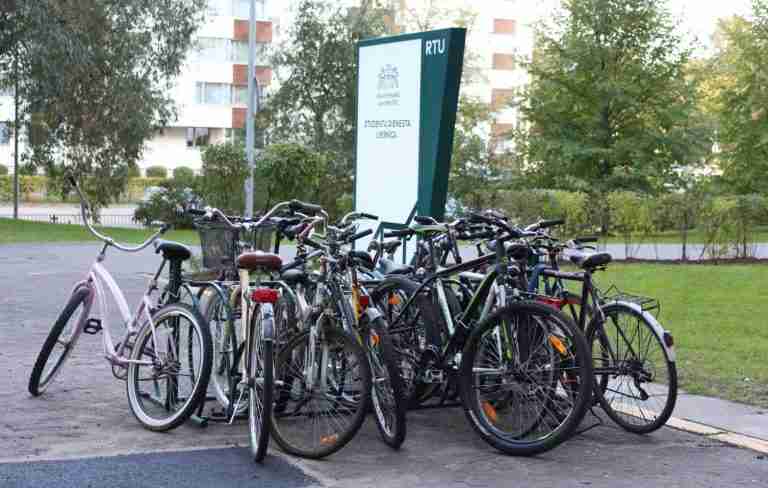
Commuting by private car is one of the largest sources of greenhouse gas emissions associated with Commuting by private car is one of the largest sources of greenhouse gas emissions associated with Riga Technical University (RTU). Currently, 18% of staff and 10% of students commute by bicycle. However, one in ten employees still drives even when living just 1–5 km from campus, while one in five drives distances of only 6–10 km. These figures highlight the need to create a safer, more attractive, and more convenient cycling environment while encouraging long-term behavioral change. Develop innovative and practical solutions that encourage RTU students and employees to choose more sustainable modes of transportation, particularly cycling. Solutions should increase the proportion of cyclists within the university community while also improving road safety, convenience, and the use of cycling infrastructure.Objective
Possible Solution Directions
Sustainable Mobility for Theatre Visitors
-
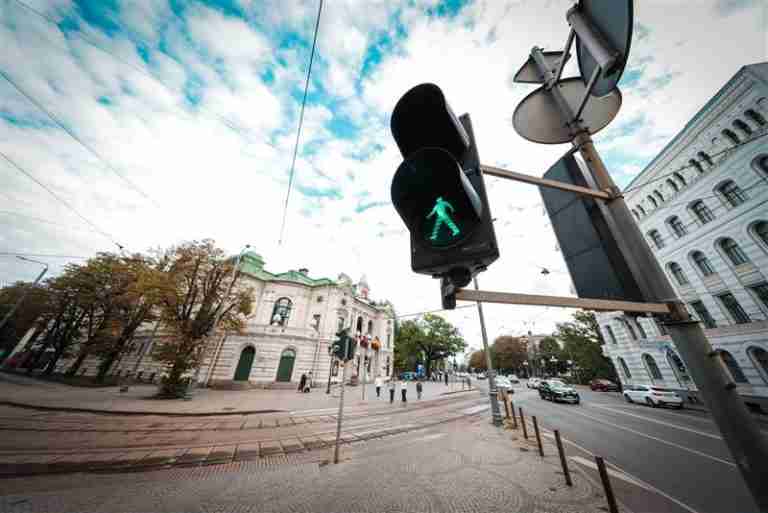
Located in the heart of Riga, the Latvian National Theatre faces a growing challenge: many visitors choose to travel to performances by private car.
This contributes to traffic congestion before and after performances, increases carbon emissions and air pollution, and creates parking difficulties for both visitors and nearby residents.
Although Riga’s public transport network provides convenient access to the theatre, innovative and attractive solutions are needed to encourage audiences to choose more sustainable travel options such as public transport, cycling, or shared mobility services.
Objective
Develop digital and/or logistical solutions that encourage theatre visitors to shift from private cars to public transport and other sustainable mobility options, reducing environmental impact while improving the urban environment.
The goal is to make visiting the theatre part of a sustainable urban lifestyle.
Possible Solution Directions
- Integrated ticketing systems that combine theatre tickets with public transport tickets or special travel discounts.
- Incentive programs, such as free public transport for a specified period before and after performances upon presentation of a theatre ticket.
- Route planning applications that recommend the most efficient public transport options based on the visitor’s location and the performance schedule.
- Solutions promoting cycling and micromobility, including partnerships with bike and e-scooter providers or bicycle parking information and reservation systems.
- A “Green Ticket” concept offering theatre benefits—such as café discounts or priority services—to visitors who demonstrate they travelled using sustainable transport.
-
Green Mobility Charging System for Forestry Operations
The use of electric tools and drones in forestry is increasing, but their wider adoption is limited by the lack …
The use of electric tools and drones in forestry is increasing, but their wider adoption is limited by the lack of charging infrastructure in forest environments.
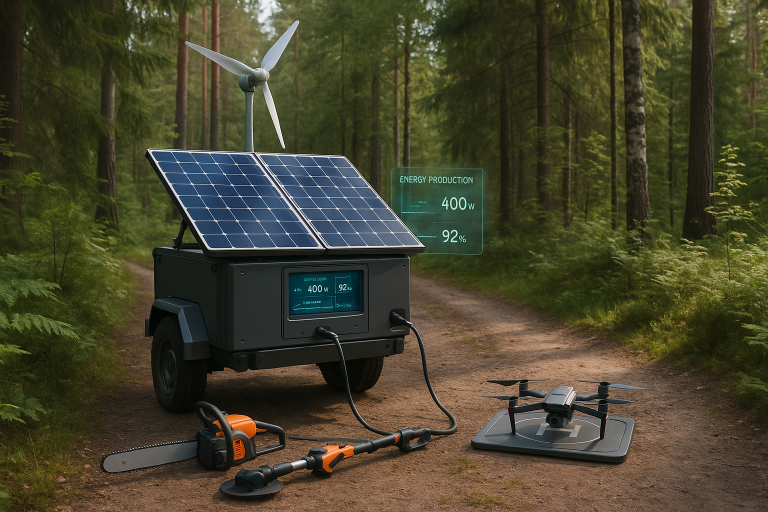
The challenge is to develop a practical and economically viable mobile charging system powered by renewable energy, enabling uninterrupted work during young forest maintenance, hazardous tree removal, and forest monitoring operations.
Objective
Develop a concept for a mobile charging station powered by renewable energy sources such as solar panels, small-scale wind turbines, and energy storage systems.
The solution should include:
- a logistics model defining the optimal placement and relocation of charging stations across forest work sites,
- an economic analysis identifying the scale at which such a system becomes financially viable.
Additional Challenge
Develop recommendations for the equipment configuration and evaluate whether the charging infrastructure could also support other forest users, including charging for:
- mobile phones,
- drones,
- electric bicycles,
- and electric ATVs.
Experts
Throughout the hackathon, experts from a wide range of disciplines will provide mentoring, share their experience, and support participants in developing their ideas.

New product development, marketing, green innovation, circular economy, sustainable business development, sustainability management.

Circular economy, sustainable mobility, international project management, sustainable construction materials, collaboration building, professional development, knowledge transfer, and innovative solutions and the role of sustainability in securing funding.
Aprites ekonomika, mobilitāte, starptautisku projektu vadība

Sustainable construction materials, project management, collaboration and partnership development, professional growth, knowledge transfer, and innovative solutions.
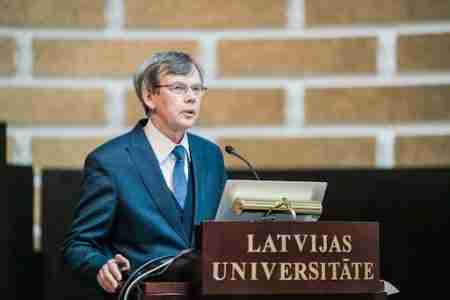
Environmental technologies, chemistry, biorefining, biomass processing, and biomass carbonization.
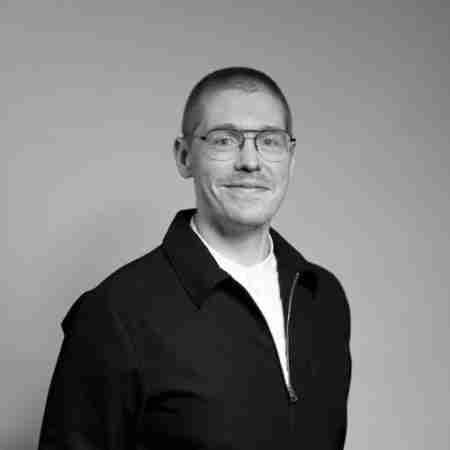
Production, international project coordination, European Climate Pact Ambassador, Greenstage project management, new product development, sustainable innovation, EU innovation support, startup development.

New product development, sustainable innovation, EU innovation support, and startup development.

Circular materials, and sustainable urban development.
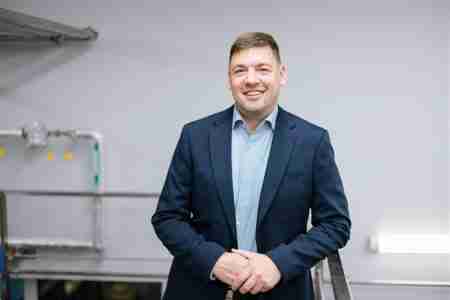
Expertise in the commercialization and logistics of wood industry by-products.
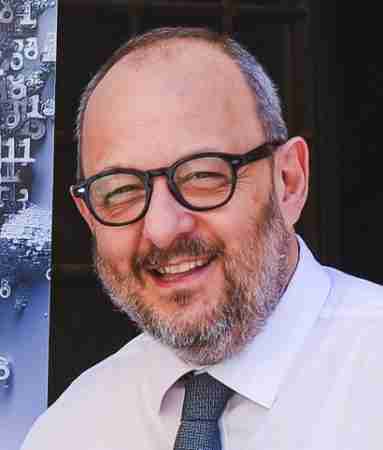
Technology transfer, valorization, intellectual property, patent management, academic spin-offs, startup incubation, and university–industry collaboration.
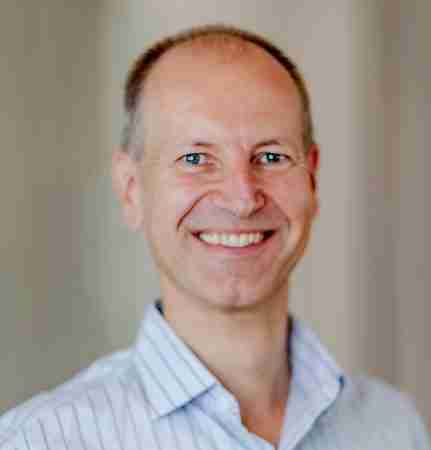
Support for businesses and regions in developing regenerative circular economy systems, business models, consulting, circular design, systems thinking.
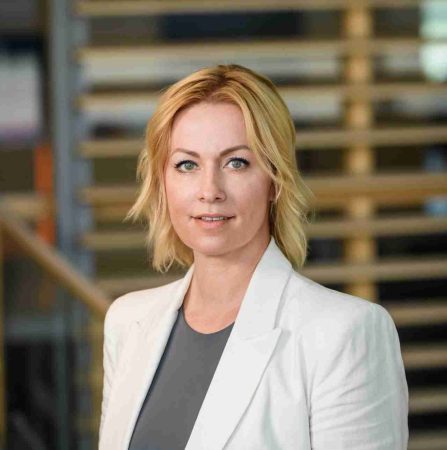
Management and development of non-aviation services (terminal and land leasing, information and call center services, parking services, etc.).

Entrepreneurship, intrapreneurship, sustainability, innovation, team development, idea validation, value proposition design, and strategic development.
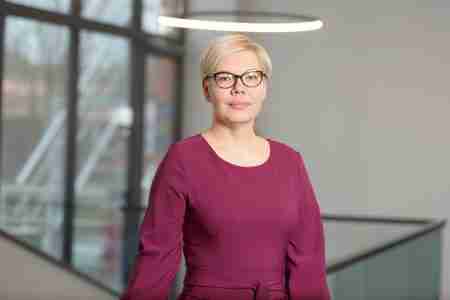
Waste Management & Circular Economy Expert – Waste management, circular economy, industrial symbiosis, implementation of best practices, and regulatory compliance.
EU Innovation & Funding Expert – EIT and EIC projects, EU funding, innovation policy, project development, urban mobility initiatives, and cross-sector innovation.
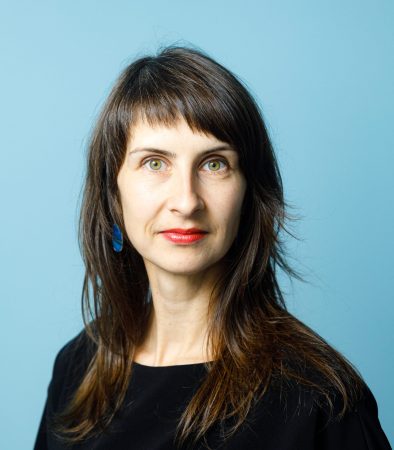
Community Engagement Expert – Community initiatives, circular economy, civic engagement, and environmental education.
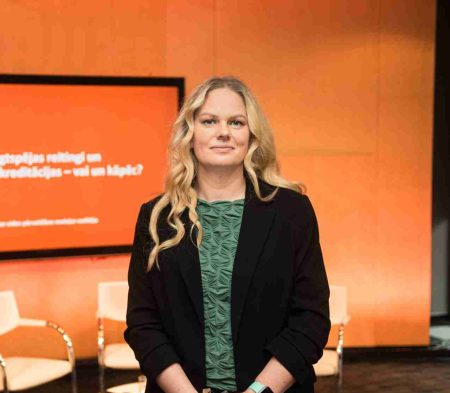
Corporate Sustainability Expert – Sustainability management, corporate sustainability strategy, non-financial reporting, green innovation, and research.

Sustainable Mobility Expert – Sustainable mobility, urban logistics, electric freight vehicles, product development, international collaboration, EIT Urban Mobility, innovation, and sustainability.

Circular Economy Specialist , product cycle analysis.
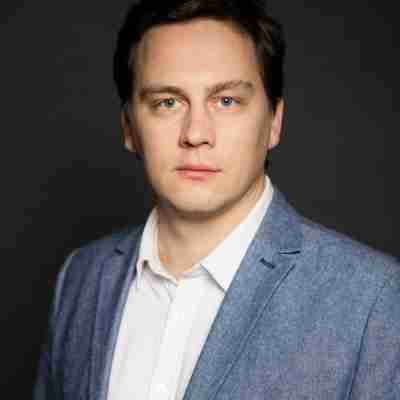
Material flow optimization, waste reduction, climate-positive solutions, and circular business models.
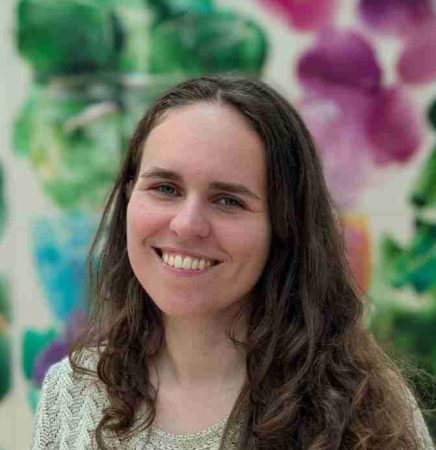
Campus sustainability and sustainable mobility for students and staff.
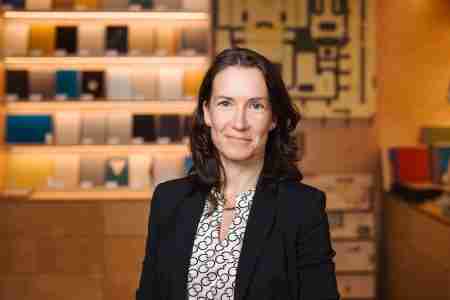
Corporate Sustainability and Environmental Management.
Bioeconomy Expert – Sustainable business development, circular economy, bioeconomy, and governance.
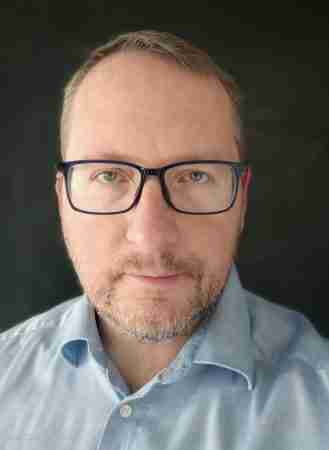
Drones, BVLOS operations, risk assessment, and aviation regulations.

Architect (Outdoor Space & Mobility Department) – Cycling infrastructure and urban mobility planning.
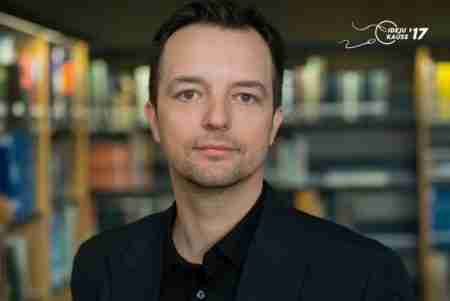
Circular Economy & Entrepreneurship Expert – Circular economy, sustainability, and business development.
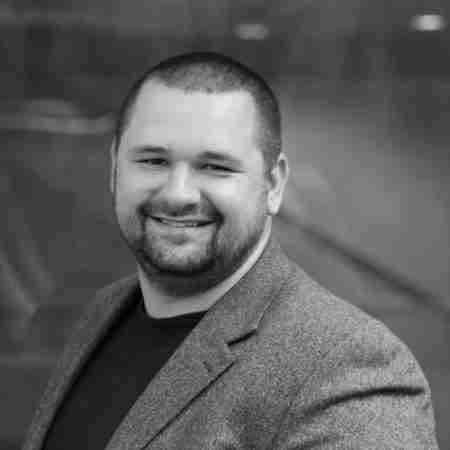
Innovation Mentor – Extensive cross-disciplinary experience and a strong passion for innovation.

Forestry Expert – Forest management, landscape planning, forest data analytics, remote sensing (LiDAR, satellites, drones), 3D scanning, statistical forest inventory, and protected area planning.

International Business Development Expert – Foreign investment attraction, international market expansion, and business development support.
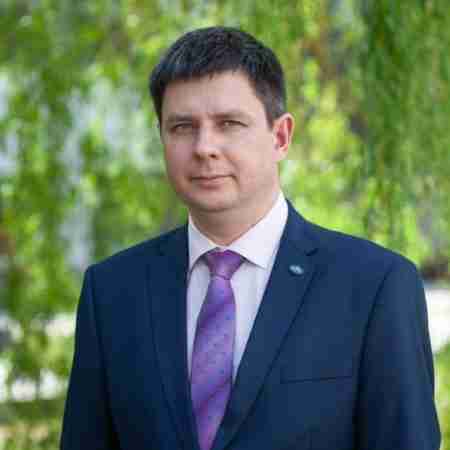
Drone design and engineering
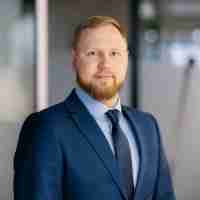
High-voltage energy systems and renewable energy project development.
Water Tourism Expert – Sustainable water tourism and recreation.

Environmental Engineering Expert – Environmental engineering, data analytics, energy systems, pollution, waste management, ecodesign, research, teaching, product development, project management, Zero Waste Latvia, and creative problem-solving.
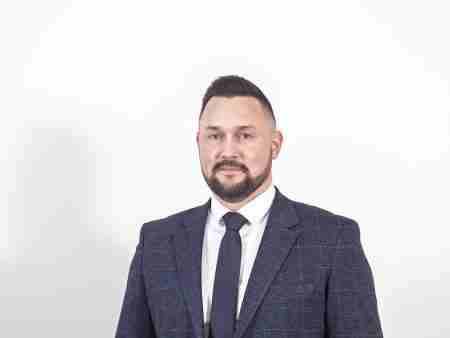
Engineering & Aerospace Expert – Engineering, technology transfer, space technologies, aircraft and drone design, materials fatigue, autonomous systems, and road safety analysis.

Theatre Innovation Expert – Theatre IT strategy, project and team management, cultural management, marketing, engineering, humanities, innovation, and collaboration.

Business & Sustainability Expert – Business management, environmental sciences, design, marketing, circular economy, and sustainable business development.
Programma
5th december
Friday6th december
Saturtday7th december
SundayFrequently Asked Questions
A hackathon is an innovation marathon where participants work in teams to develop creative and practical solutions to specific challenges within a limited timeframe. Supported by experienced mentors and industry experts, participants have the unique opportunity to turn an idea into a prototype in just a few days.
The hackathon format emphasizes interdisciplinary collaboration, rapid problem-solving, and hands-on innovation. At the end of the event, each team presents its solution to a jury, which evaluates the ideas based on their innovation, feasibility, and potential for further development.
The hackathon is open to anyone aged 18 or older, including:
- Students
- Academic staff and researchers
- Company representatives
- Entrepreneurs and startup founders
- Software developers
- Graphic designers
- Business and finance professionals
- Creative thinkers and innovation enthusiasts
No prior experience or specific educational background is required. We encourage teams with diverse skills and expertise to foster interdisciplinary collaboration.
The event is open to participants from anywhere in Latvia. To participate, simply complete the online application form.
The goal of the hackathon is to develop innovative solutions to today’s social, economic, and environmental challenges while providing participants with the support needed to bring their ideas forward.
The event also serves as a platform for:
- collaboration and networking,
- exchanging ideas and knowledge,
- accessing expert guidance and resources,
- building partnerships between businesses, universities, and society to support long-term innovation and future collaboration.
Climathon will take place at the RTU Science and Innovation Centre (ZIC), on the 2nd floor in the “The Moon” Conference Hall at 6A Ķīpsalas Street, Riga. Participants will also have the option to join remotely, making the event accessible from anywhere in Latvia.
The programme includes:
- Teamwork on real-world challenges
- Networking opportunities
- One-on-one mentoring sessions
- Educational workshops
- Prototype development
- Final project presentations to the jury
- Competition for valuable prizes
Several collaborative workspaces will be available for on-site participants, along with materials for developing early-stage prototypes.
Snacks and refreshments will be provided throughout the event.
Participants should bring:
- Their own laptop
- Any additional equipment or materials they may need for developing their solution
As RTU follows sustainable practices, participants are encouraged to bring reusable water bottles, cups, and food containers. Water refill stations are available throughout the RTU Science and Innovation Centre.
You can register either:
- as an individual,
- with a fully formed team,
- or with a partially formed team.
The recommended team size is 2 to 6 participants.
If you’re looking for teammates—or your team needs additional members—you’ll be able to connect with others through the hackathon platform or during the dedicated team formation session on the opening day of the event.